
On this page 7 sections
A front bumper looks like a simple part. It is not. Sensor holes, fog light provisions and finish turn one bumper into a dozen part numbers, and getting it wrong means bodywork you did not budget for.
Parking sensor holes are not optional extras
If your truck left the factory with front or rear parking sensors, the bumper has molded holes for them in exact positions. A bumper without those holes cannot take your sensors, and drilling one is not a repair — the holes have to be in the right place, at the right angle, with the right collar, or the sensors read false.
Going the other way is just as awkward. A bumper with sensor holes installed on a truck without sensors leaves open holes that collect water and look exactly like what they are. Filling and blending them is paint shop work.
Check your current bumper before you order. Count the sensor eyes, note where they sit, and compare them against the listing photographs.
Fog lights change the part
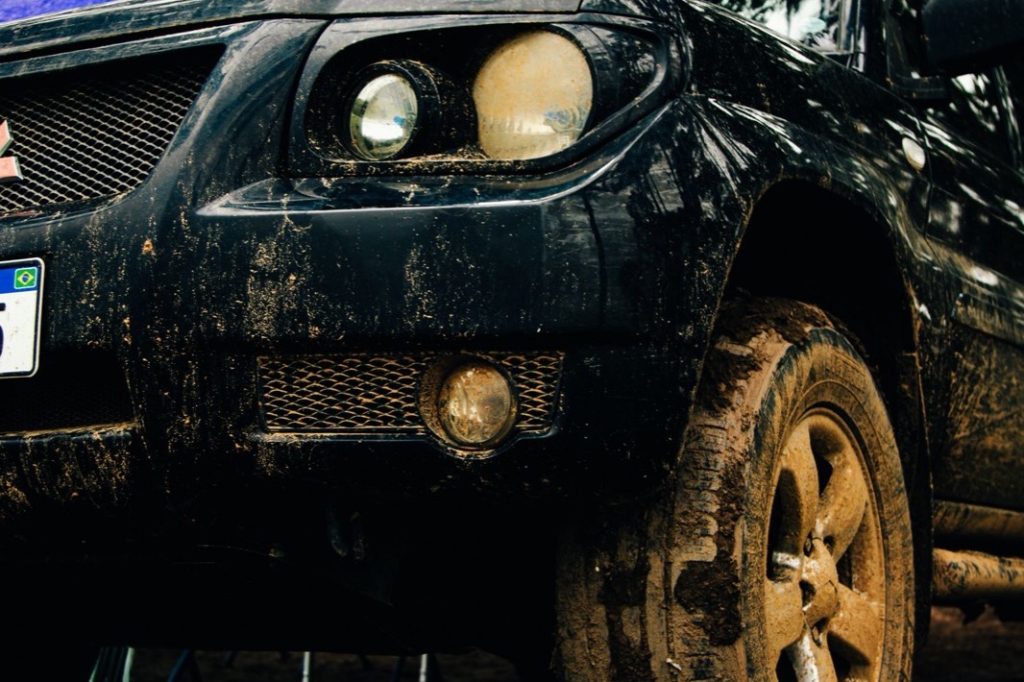
Fog light provisions are cut into the bumper or the valance. A bumper built without them has no opening and no mounting boss. If your truck has fogs and you buy a bumper without provisions, you lose the lights.
Chrome, painted and primed are three different parts
- Chrome — plated steel. Comes as it is, and cannot be painted without stripping.
- Painted — finished in a factory color. Matching an aged truck is never exact; a bumper painted eight years ago has not faded the way your fender has.
- Primed — supplied ready for your body shop to color. The right choice when you want a true match, and the reason primed parts often cost less.
If you are replacing one corner of a truck and the rest of the paint has sun on it, primed plus a blend is usually the better-looking result.
Steel, aluminum and plastic
Factory bumpers on heavy-duty trucks are usually steel. Many half-tons moved to aluminum or to a steel bar with a plastic cover. They repair differently, they corrode differently and they do not interchange. The listing states the material; if you are buying for a crash repair, match it.
Heavy aftermarket bumpers
A replacement steel bumper from an aftermarket maker is a different proposition: more weight at the front axle, a winch tray, tube work, and usually no provision for your factory sensors or fogs unless the maker built them in. That is a deliberate trade, not a fitment accident — just go in knowing that your parking sensors may be finished.
Weight matters more than people expect. A few hundred extra pounds ahead of the front axle changes how the front springs sit and how the truck rides. If the nose drops, that is the springs telling you, not the bumper being defective.
Brackets and hardware
Bumpers mount on brackets, and brackets rust where the bumper does not. If your old brackets are tired, replace them with the bumper. Our listings state whether brackets and hardware are included; when they are not, we can usually source them.
Before you order
- Photograph your current bumper, front and back, including the brackets.
- Count sensor holes and note fog light openings.
- Decide chrome, painted or primed, and be honest about the state of the rest of the paint.
- Send us the year, make, model and trim, with the VIN if you have it.
Bumpers ship free, on a pallet by freight, to all 50 states. Inspect the pallet before you sign for it — the Shipping Policy explains how to handle it if something arrives marked.
Need the part, not the theory?
Send us the year, make, model, trim and VIN. We will confirm fitment before you order, and we answer email within 1 business day.